Understanding Reliable Industrial Machines

Industrial machines form the backbone of many production processes. In water production, bottling, and packaging industries, the reliability of these machines directly impacts output quality and operational efficiency. I focus on what makes industrial machines reliable and how businesses can benefit from choosing the right equipment.
What Defines Reliable Industrial Machines?
Reliable industrial machines operate consistently without frequent breakdowns. They maintain performance under continuous use and harsh conditions. Key factors include:
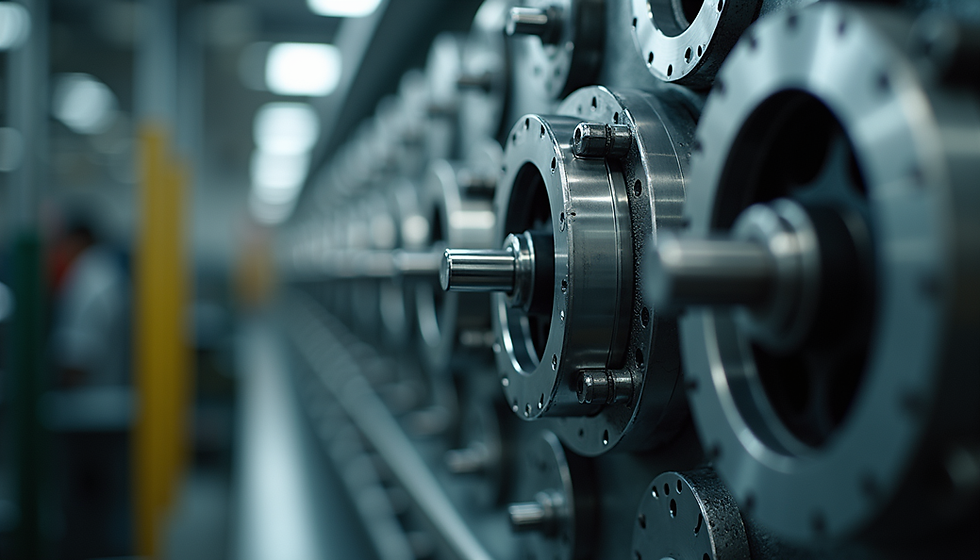
Durability: Machines built with strong materials resist wear and tear.
Precision: Accurate operation reduces waste and improves product quality.
Ease of Maintenance: Simple designs and accessible parts lower downtime.
Energy Efficiency: Machines that consume less power reduce operational costs.
Safety Features: Protect workers and prevent accidents.
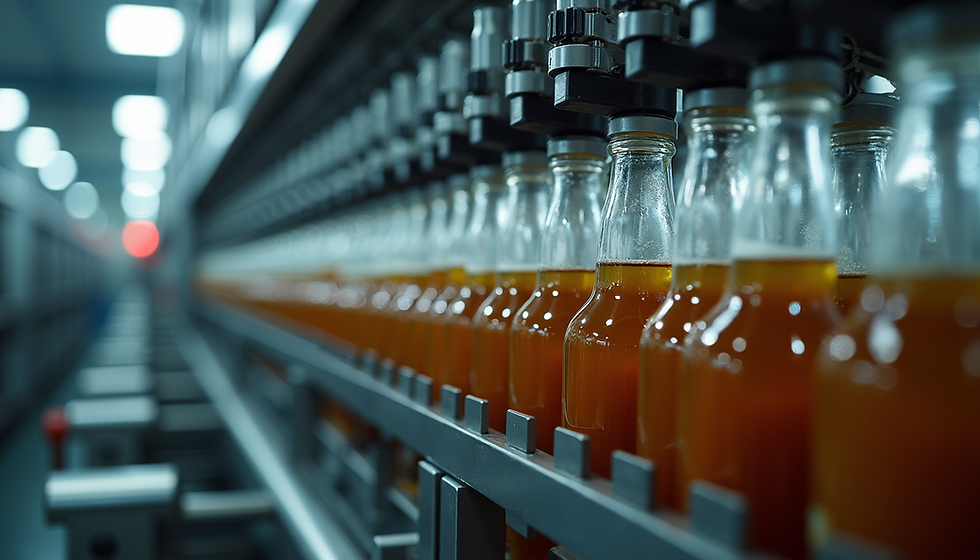
For example, a bottling line with reliable filling machines ensures bottles are filled to the correct level every time. This reduces product loss and maintains customer trust.
Choosing machines with proven track records and solid warranties is essential. I recommend reviewing case studies and user feedback before investing.

Reliable Industrial Machines in Water Production and Packaging
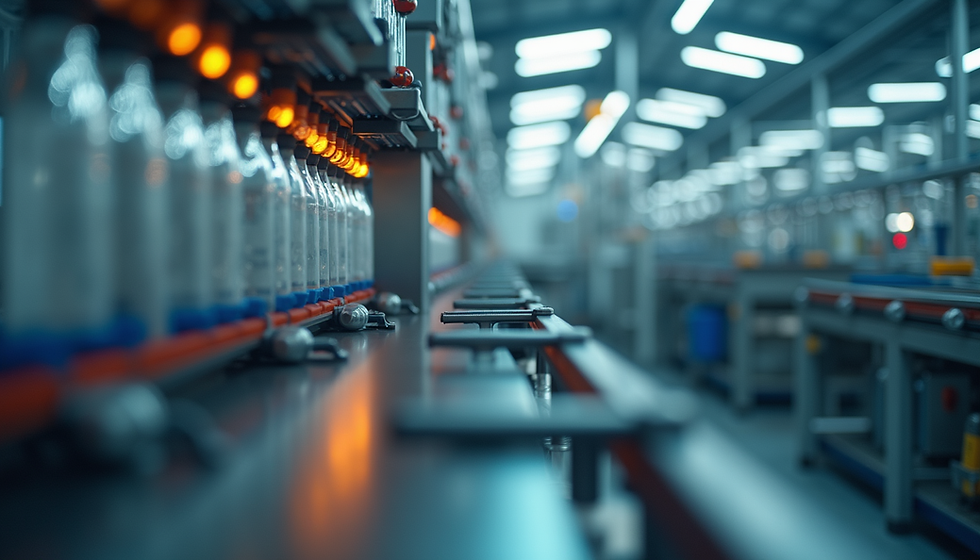
Water production and packaging require machines that handle liquids and containers precisely. Reliable machines in this sector include:
Water Purification Systems: These must operate continuously to meet demand without frequent filter changes or failures.
Filling Machines: Accuracy in volume and speed is critical to avoid spillage and maintain hygiene.
Capping Machines: Proper sealing prevents contamination and leakage.
Labeling Machines: Consistent label placement enhances brand image and compliance.
I have seen businesses improve output by upgrading to machines with automated controls and real-time monitoring. These features detect issues early and reduce manual intervention.
Maintenance schedules are vital. Regular checks on pumps, valves, and sensors prevent unexpected breakdowns. Training staff on machine operation and troubleshooting also boosts reliability.

Who are the members of the beta machine?
In the context of industrial machinery, the term "beta machine" often refers to prototype or early-stage models tested before full production. The members of the beta machine group typically include:
Design Engineers: They develop and refine machine concepts.
Quality Assurance Teams: They test machines for performance and safety.
Operators: Skilled workers who run the machines during testing.
Maintenance Technicians: They identify potential issues and suggest improvements.
Project Managers: They coordinate the testing process and feedback collection.
This team works closely to ensure the machine meets operational standards before release. Their feedback helps improve reliability and user experience.
How to Choose the Right Industrial Machines
Selecting the right machines requires careful evaluation. I suggest the following steps:
Assess Your Needs: Define production volume, product types, and space constraints.
Research Suppliers: Look for companies with a reputation for quality and support.
Request Demonstrations: See machines in action to verify claims.
Check Compatibility: Ensure machines integrate with existing systems.
Evaluate Total Cost of Ownership: Consider purchase price, maintenance, energy use, and downtime costs.
Review After-Sales Support: Reliable technical support and spare parts availability are crucial.
For businesses in Ojo, Lagos, partnering with suppliers who understand local conditions and regulations adds value. I recommend choosing suppliers who offer training and installation services.
Using able machines can simplify this process. They provide reliable, high-performance industrial equipment tailored for water production and packaging industries.
Maintaining Reliability Over Time
Even the best machines require proper care to stay reliable. I advise:
Implementing Preventive Maintenance: Schedule regular inspections and part replacements.
Monitoring Performance: Use sensors and software to track machine health.
Training Operators: Skilled operators reduce errors and damage.
Keeping Spare Parts Ready: Quick access to parts minimizes downtime.
Documenting Issues: Record problems and solutions to improve future responses.
A well-maintained machine reduces unexpected failures and extends service life. This approach supports consistent production and cost control.
The Impact of Reliable Machines on Business Success
Reliable industrial machines improve productivity and product quality. They reduce waste, lower operational costs, and enhance safety. For water production and packaging businesses, this means:
Meeting customer demand without delays.
Maintaining compliance with health and safety standards.
Reducing labor costs through automation.
Increasing profitability through efficient operations.
Investing in reliable machines is a strategic decision. It supports long-term growth and competitiveness in the market.
Reliable industrial machines are essential assets. Understanding their features, selecting the right equipment, and maintaining it properly ensures operational excellence. Businesses in water production and packaging can achieve technical and commercial success by prioritizing machine reliability.
Comments