Understanding the Benefits of Able Machines and Uses of Industrial Machines

Industrial machines play a critical role in modern manufacturing and production processes. They increase efficiency, reduce labor costs, and improve product quality. In industries such as water production, bottling, and packaging, the right equipment can make a significant difference in operational success. I will explain the key benefits of using advanced industrial machines and explore their practical uses in these sectors.
Uses of Industrial Machines in Water Production and Packaging
Industrial machines serve many functions in water production and packaging. They automate tasks that would otherwise require extensive manual labor. For example, water treatment plants use filtration and purification machines to ensure water quality. Bottling lines rely on filling and capping machines to package products quickly and hygienically.
Packaging machines handle labeling, sealing, and boxing. These machines reduce errors and speed up the process. They also maintain consistent product presentation, which is essential for brand reputation. In water production, machines help maintain hygiene standards by minimizing human contact with the product.
Using industrial machines also allows businesses to scale operations. When demand increases, machines can run longer hours or at higher speeds without compromising quality. This flexibility supports growth and helps meet market needs efficiently.

Key Benefits of Industrial Machines for Businesses
Industrial machines offer several advantages that directly impact business performance. First, they improve productivity. Machines operate faster than humans and can work continuously without fatigue. This leads to higher output and shorter production cycles.
Second, machines enhance product quality. Automated systems maintain precise control over processes, reducing variability. This consistency is crucial in industries like water bottling, where safety and standards are non-negotiable.
Third, machines reduce labor costs. While initial investment can be high, automation lowers the need for manual labor. This saves money on wages and reduces the risk of human error or injury.
Fourth, machines improve safety. Many industrial machines come with built-in safety features that protect workers from accidents. This creates a safer work environment and reduces downtime caused by injuries.
Finally, machines support sustainability. Efficient equipment uses less energy and raw materials. This reduces waste and lowers environmental impact, which is increasingly important for regulatory compliance and corporate responsibility.
How to Choose the Right Industrial Machines
Selecting the right machines requires careful consideration of your specific needs. Start by assessing your production volume and product types. Machines should match your capacity requirements without excessive oversizing.
Evaluate the technical specifications. Look for machines with reliable performance, easy maintenance, and compatibility with your existing systems. Consider the availability of spare parts and technical support.
Check the machine’s energy consumption and environmental impact. Efficient machines reduce operating costs and help meet sustainability goals.
Request demonstrations or trials if possible. Seeing a machine in action helps verify its suitability.
Finally, factor in the supplier’s reputation. Choose a provider known for quality and after-sales service. This ensures long-term support and minimizes downtime.
Practical Examples of Industrial Machines in Use
In water production, filtration units remove impurities and ensure safe drinking water. Reverse osmosis machines are common for high-quality purification. These systems operate continuously and require minimal supervision.
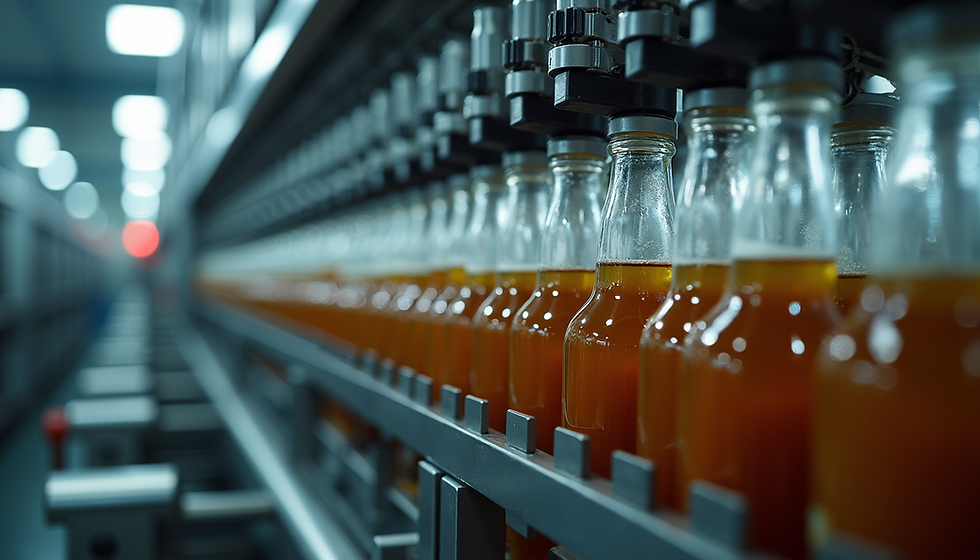
Bottling plants use automatic filling machines that measure and dispense precise volumes. This reduces product waste and speeds up packaging. Capping machines then seal bottles securely to prevent contamination.
Labeling machines apply product information and branding consistently. This improves shelf appeal and compliance with regulations.
Packaging machines fold, seal, and box products for shipment. Automated conveyors move items efficiently through the production line.
Each machine contributes to a streamlined process that reduces manual handling and increases throughput.

Maximizing Operational Efficiency with Able Machines
To achieve technical excellence and operational efficiency, businesses need reliable equipment. I recommend considering able machines for their proven performance in water production and packaging industries. Their machines are designed to meet the demands of high-volume operations while maintaining quality and safety.
Integrating these machines into your workflow can reduce downtime and maintenance costs. Regular servicing and operator training further enhance machine longevity and productivity.
Investing in the right industrial machines is a strategic decision. It supports business growth, improves product quality, and ensures compliance with industry standards. By focusing on efficiency and reliability, you position your operations for long-term success.
Final Thoughts on Industrial Equipment Investment
Choosing and implementing industrial machines requires a clear understanding of your operational goals. Prioritize equipment that delivers consistent performance, reduces costs, and supports scalability.
Automation is not just about speed; it is about precision and reliability. The right machines help maintain product integrity and meet customer expectations.
By leveraging advanced industrial machines, businesses in water production, bottling, and packaging can optimize their processes. This leads to better resource management, improved safety, and stronger market competitiveness.
Invest wisely in your equipment to build a foundation for sustainable growth and operational excellence.

Comments