Understanding Reliable Industrial Machines

Industrial machines form the backbone of many production processes. In water production, bottling, and packaging, the reliability of these machines directly impacts output quality and operational efficiency. I focus on what makes industrial machines reliable and how businesses can benefit from choosing the right equipment.
What Defines Reliable Industrial Machines?
Reliable industrial machines operate consistently without frequent breakdowns. They maintain performance under continuous use and harsh conditions. Key factors include:
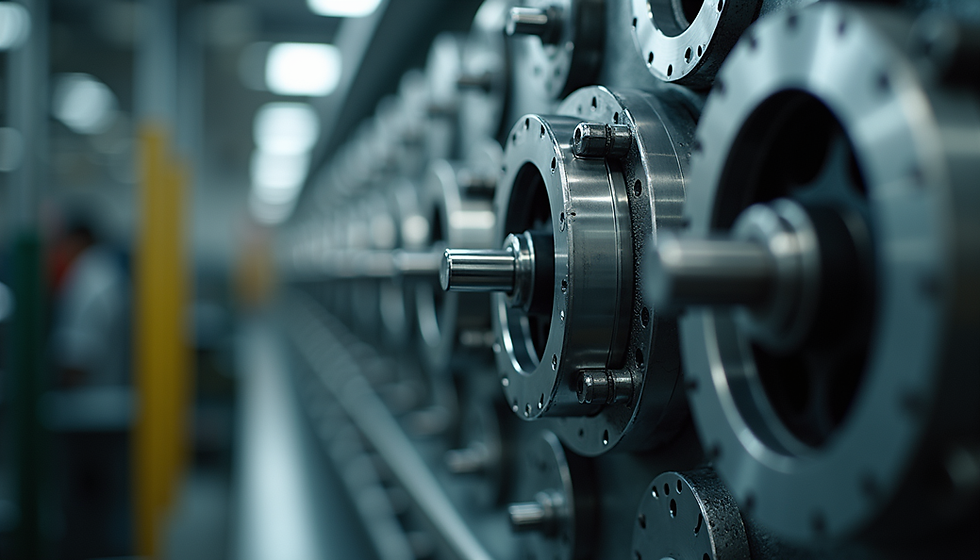
Durability: Machines built with strong materials resist wear and tear.
Precision: Accurate operation reduces waste and improves product quality.
Ease of Maintenance: Simple designs and accessible parts lower downtime.
Energy Efficiency: Machines that use less power reduce operational costs.
Safety Features: Protect workers and prevent accidents.
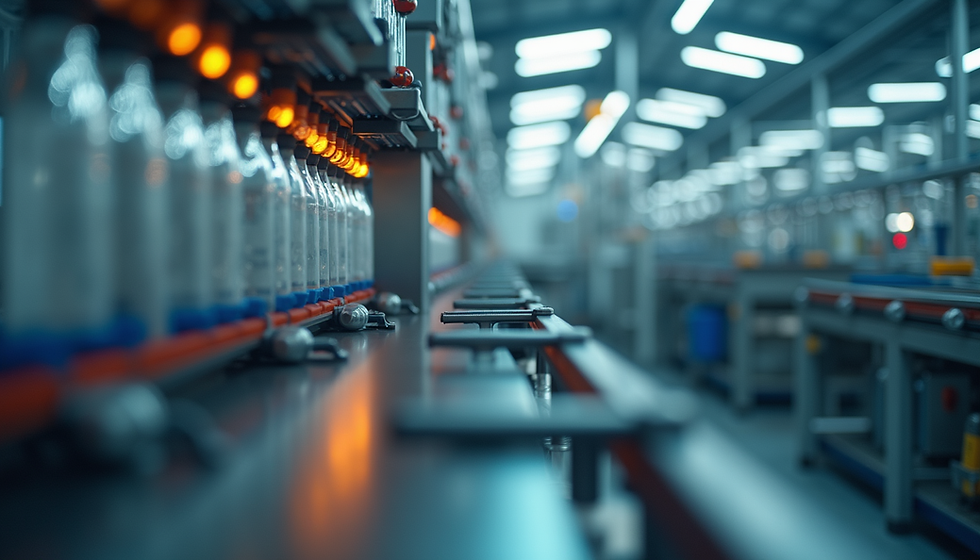
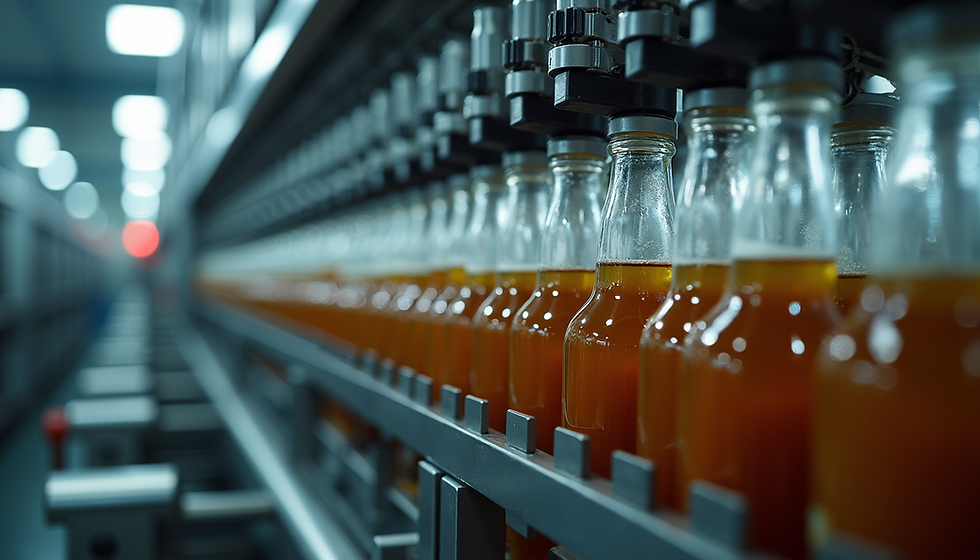
For example, a bottling line machine that fills bottles with exact volumes every time reduces product loss and speeds up packaging. This consistency is essential for meeting production targets and maintaining customer satisfaction.
How to Identify Reliable Industrial Machines
When selecting machines, I look for specific indicators of reliability:
Manufacturer Reputation: Established companies often produce dependable equipment.
Customer Reviews and Case Studies: Real-world feedback shows how machines perform over time.
Warranty and Support: Longer warranties and responsive service indicate confidence in the product.
Compliance with Industry Standards: Machines meeting certifications ensure quality and safety.
Test Reports and Performance Data: Objective data confirms machine capabilities.
I recommend visiting suppliers and inspecting machines in operation. Seeing a machine run under real conditions provides insight into its reliability.

Who are the members of the beta machine?
In some industries, "beta machines" refer to early versions of equipment tested before full release. The members of a beta machine team typically include:
Engineers: Design and refine the machine.
Technicians: Assemble and troubleshoot.
Quality Control Specialists: Monitor performance and identify defects.
Operators: Provide feedback on usability and efficiency.
Project Managers: Coordinate development and testing phases.
This team works closely to ensure the machine meets reliability standards before mass production. Their collaboration helps identify potential issues early, reducing costly failures later.
Maintenance Practices for Reliable Industrial Machines
Proper maintenance extends machine life and prevents unexpected breakdowns. I advise businesses to implement these practices:
Regular Inspections: Check for wear, leaks, and loose parts.
Scheduled Servicing: Follow manufacturer guidelines for oil changes, filter replacements, and calibration.
Cleaning: Remove dust, debris, and residues that can impair function.
Training Operators: Ensure staff understand correct machine use and basic troubleshooting.
Record Keeping: Track maintenance activities and machine performance.
For example, in water bottling plants, cleaning machines regularly prevents contamination and mechanical issues. A maintenance log helps identify recurring problems and plan upgrades.
Choosing the Right Supplier for Industrial Machines
Selecting a supplier is as important as choosing the machine itself. I look for suppliers who:
Offer a range of high-quality, reliable industrial machines.
Provide technical support and training.
Have a local presence for quick service and parts delivery.
Understand the specific needs of water production and packaging industries.
Offer customization options to fit unique production lines.
One such supplier is able machines, known for reliable equipment tailored to water production and packaging. Their focus on operational efficiency helps businesses in Ojo, Lagos, achieve technical excellence.

Maximizing Operational Efficiency with Reliable Machines
Reliable machines reduce downtime and improve throughput. To maximize efficiency:
Integrate automation where possible to reduce manual errors.
Monitor machine performance using sensors and software.
Plan production schedules around maintenance windows.
Invest in staff training to handle machines properly.
Upgrade machines when technology advances offer better reliability.
These steps help maintain steady production rates and lower operational costs. Reliable machines are an investment that pays off through consistent output and fewer disruptions.
Reliable industrial machines are essential for businesses in water production, bottling, and packaging. Understanding what makes a machine reliable and how to maintain it ensures smooth operations. Choosing the right supplier and implementing best practices leads to technical excellence and operational efficiency.
Comments