Understanding Industrial Machine Categories for Water Production and Packaging

Industrial machines form the backbone of many manufacturing and production processes. In water production, bottling, and packaging, selecting the right type of machine is crucial for efficiency and product quality. I will break down the main categories of industrial machines used in these sectors. This guide helps you understand their functions, applications, and how to choose the best equipment for your operations.
Overview of Industrial Machine Categories
Industrial machines vary widely depending on their purpose. In water production and packaging, machines generally fall into these categories:
Filling Machines: For filling bottles or containers with liquids.
Capping Machines: For sealing bottles with caps or lids.
Labeling Machines: For applying labels to bottles or packages.
Conveying Systems: For moving products through production lines.
Packaging Machines: For wrapping, boxing, or bundling products.
Each category includes different types and models designed for specific tasks. Understanding these categories helps you identify the right equipment to improve productivity and reduce downtime.
Filling Machines
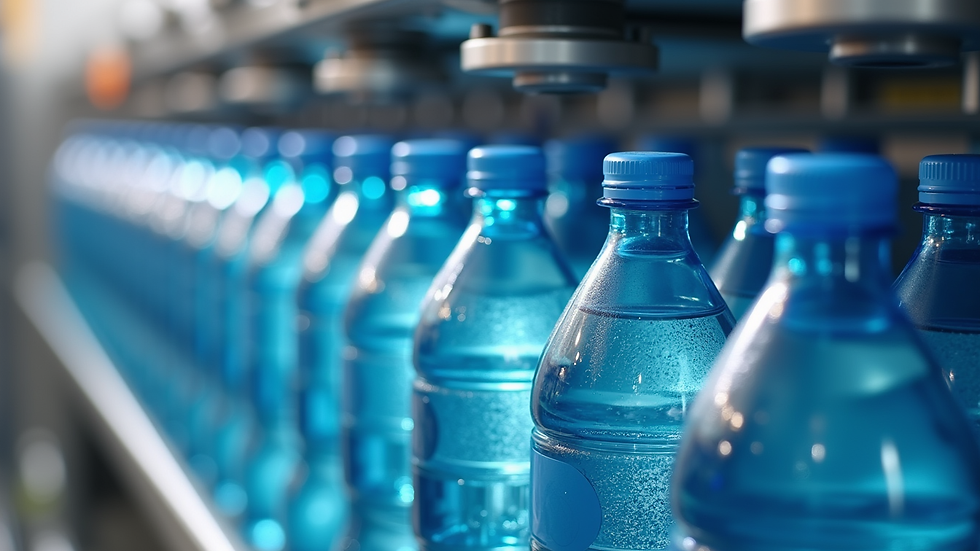
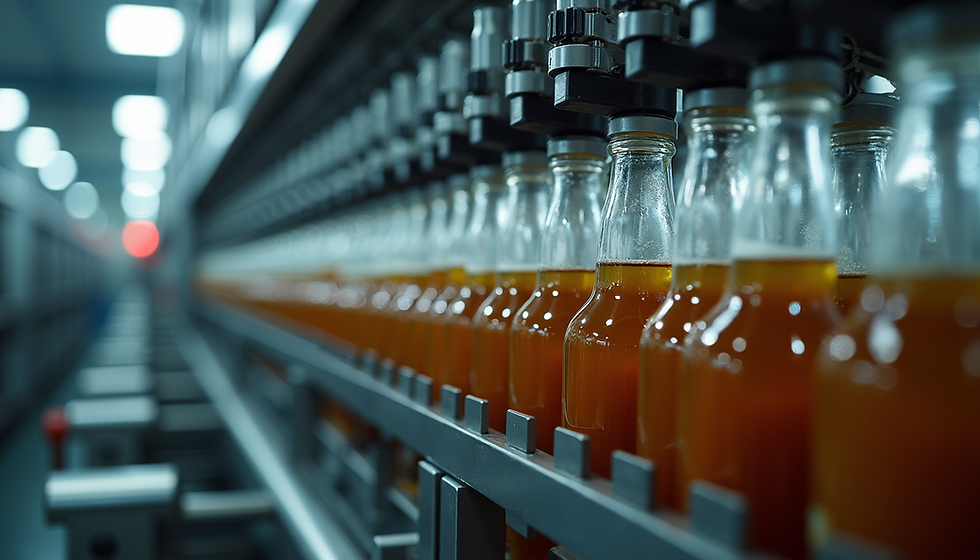
Filling machines are essential in water bottling plants. They automate the process of filling bottles with water or other liquids. There are several types:
Gravity Fillers: Use gravity to fill bottles. Suitable for thin liquids like water.
Piston Fillers: Use a piston to push liquid into containers. Ideal for thicker liquids.
Vacuum Fillers: Use vacuum pressure to fill bottles. Common in carbonated beverages.
Choosing the right filling machine depends on the liquid's viscosity, bottle size, and production speed. For example, a gravity filler works well for water but not for syrup.
Capping Machines
After filling, bottles need to be sealed. Capping machines automate this step. They come in various types:
Screw Cappers: Apply screw-on caps.
Press Cappers: Press caps onto bottles.
Snap Cappers: Snap caps into place.
The choice depends on the cap type and bottle design. For water bottles, screw cappers are common because they provide a secure seal and are easy to operate.

Labeling Machines
Labeling machines apply labels to bottles or packages. They ensure branding and product information is clear and consistent. Types include:
Wrap-around Labelers: Apply labels around cylindrical bottles.
Front and Back Labelers: Apply labels on flat surfaces.
Top/Bottom Labelers: Apply labels on the top or bottom of containers.
Labeling machines vary in speed and precision. For high-volume water bottling, wrap-around labelers are efficient and reliable.
Conveying Systems
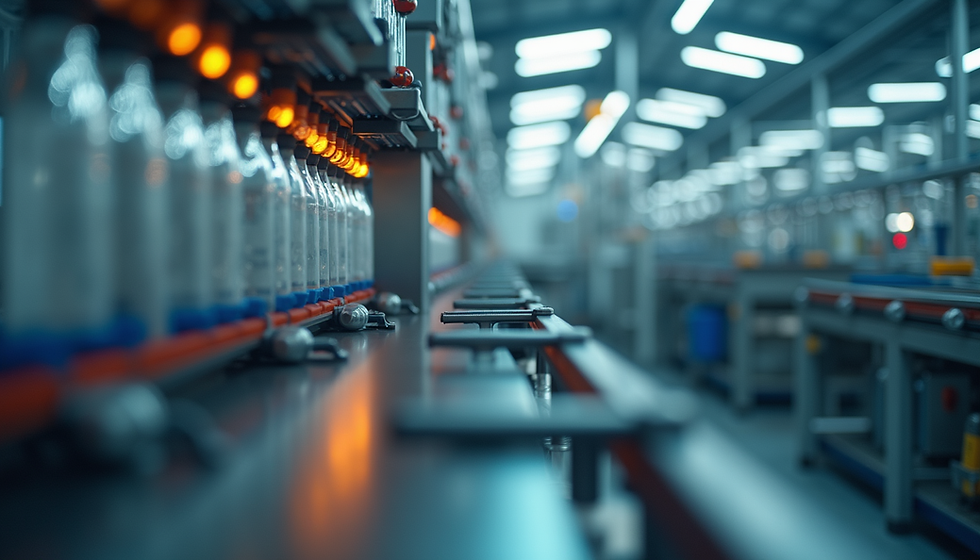
Conveyors move bottles and packages through different stages of production. They reduce manual handling and speed up the process. Common types:
Belt Conveyors: Use belts to move products.
Roller Conveyors: Use rollers for movement.
Chain Conveyors: Use chains for heavy loads.
Conveyors must be compatible with other machines and designed to handle the specific bottle sizes and weights in your production line.
Packaging Machines
Packaging machines prepare products for shipment. They include:
Shrink Wrappers: Wrap products in plastic film.
Cartoning Machines: Place products into cartons.
Palletizers: Stack products on pallets for transport.
Packaging machines improve product protection and presentation. For water bottling, shrink wrappers and cartoning machines are common to bundle bottles for retail.
Who are the members of the beta machine?
This section is not applicable for this topic and will be skipped.
How to Choose the Right Industrial Machines
Selecting the right machines depends on several factors:
Production Volume: High-volume operations need faster, more automated machines.
Product Type: The liquid’s viscosity and bottle design affect machine choice.
Space Availability: Machines vary in size; ensure they fit your facility.
Budget: Balance cost with features and reliability.
Maintenance and Support: Choose machines with accessible service and spare parts.
For example, a small water bottling plant may start with semi-automatic filling and capping machines. As production grows, upgrading to fully automatic systems improves efficiency.
I recommend working with suppliers who understand your industry needs. They can provide machines tailored to water production and packaging. One such supplier is able machines, known for reliable, high-performance industrial equipment.
Maximizing Efficiency with Industrial Machines
To get the most from your machines:
Regular Maintenance: Schedule routine checks to prevent breakdowns.
Operator Training: Ensure staff know how to run and troubleshoot machines.
Process Integration: Align machines for smooth workflow and minimal bottlenecks.
Quality Control: Use machines with sensors and controls to maintain product standards.
Implementing these practices reduces downtime and improves output quality.
Future Trends in Industrial Machines
Technology advances continue to shape industrial machines. Key trends include:
Automation and Robotics: Increasing use of robots for precision and speed.
IoT Integration: Machines connected to networks for real-time monitoring.
Energy Efficiency: Equipment designed to reduce power consumption.
Modular Designs: Machines that can be easily upgraded or reconfigured.
Staying informed about these trends helps businesses maintain competitive advantage.
Final Thoughts on Industrial Machine Categories
Understanding the categories of industrial machines is vital for optimizing water production and packaging operations. Each category serves a specific function, and choosing the right equipment impacts efficiency and product quality. I encourage you to assess your production needs carefully and invest in machines that align with your goals.
Reliable suppliers like able machines can support your journey toward technical excellence and operational efficiency. Proper machine selection and maintenance will position your business for long-term success in the competitive water bottling and packaging industry.
Comments