Exploring Different Types of Industrial Machines for Water Production and Packaging

Industrial operations in water production, bottling, and packaging require reliable equipment. Choosing the right machines impacts efficiency, product quality, and operational costs. I explore key types of industrial machines that businesses use to optimize their processes. This guide focuses on practical information to help you understand the options available.
Types of Industrial Machines Commonly Used
Industrial machines vary widely depending on the specific task. In water production and packaging, several categories stand out:
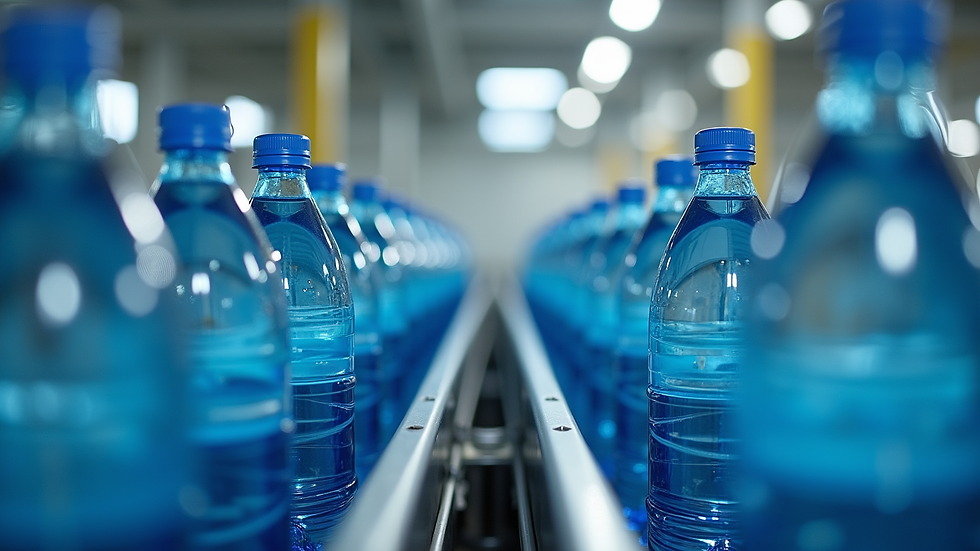
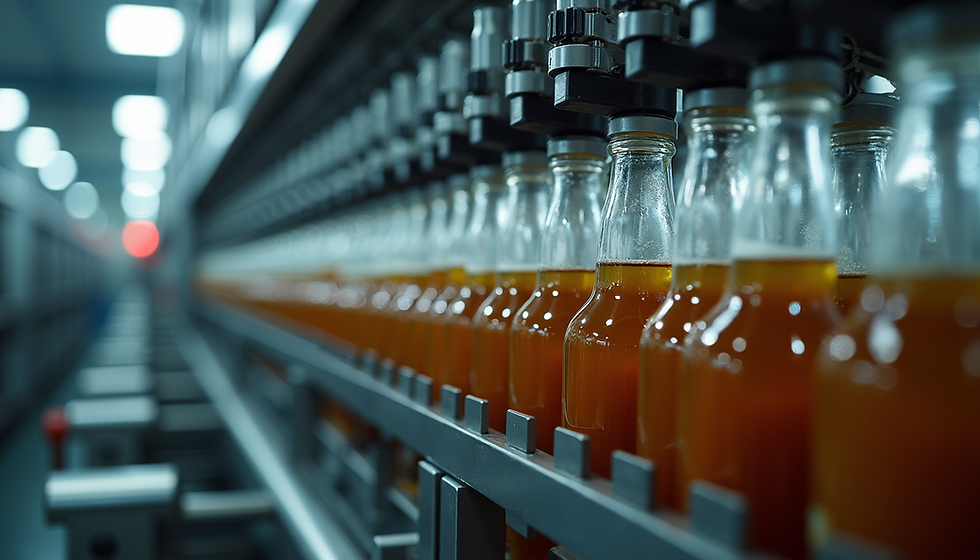
Filling Machines: These machines fill bottles or containers with liquids. They come in various forms such as gravity fillers, piston fillers, and vacuum fillers. Each type suits different liquid viscosities and container shapes.
Capping Machines: After filling, bottles need secure caps. Capping machines apply and tighten caps consistently. They include chuck cappers, spindle cappers, and snap cappers.
Labeling Machines: These apply labels to bottles or packages. Labeling machines can handle pressure-sensitive labels, shrink sleeves, or glue-applied labels.
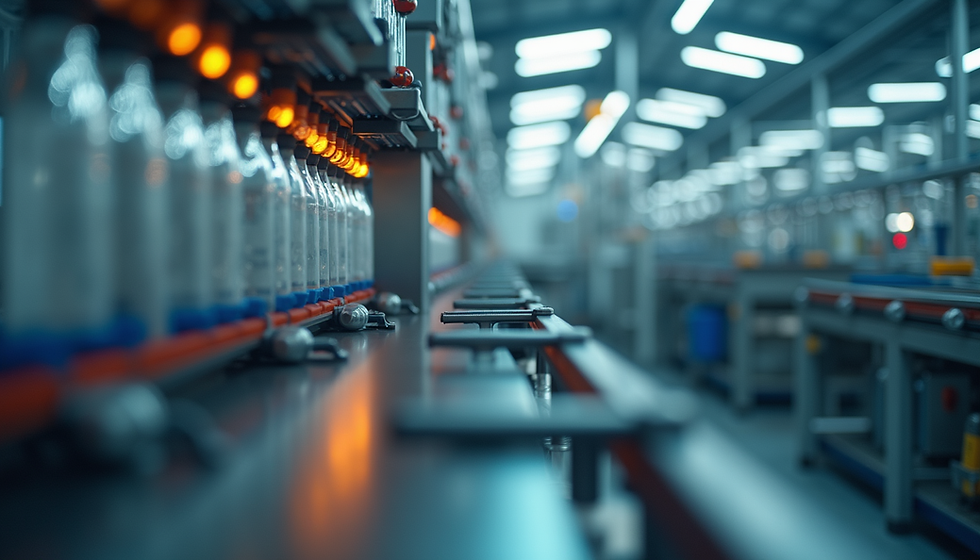
Conveyor Systems: Conveyors move products through different stages of production. They improve workflow and reduce manual handling.
Water Treatment Equipment: Essential for water production, these machines include filters, UV sterilizers, and reverse osmosis units to ensure water purity.
Each machine type plays a specific role. Selecting the right combination depends on your production volume, product type, and packaging requirements.

Key Features to Consider in Industrial Machines
When evaluating machines, focus on features that affect performance and maintenance:
Speed and Capacity: Machines must match your production scale. High-speed fillers and cappers increase output but may require more maintenance.
Accuracy and Consistency: Precise filling and capping reduce waste and improve product quality.
Ease of Cleaning: Machines in water and food industries must be easy to clean to meet hygiene standards.
Automation Level: Fully automated machines reduce labor costs but require skilled operators for maintenance.
Durability and Build Quality: Stainless steel construction resists corrosion and extends machine life.
Compatibility: Machines should work with your container types and sizes without frequent adjustments.
Prioritize machines that balance efficiency with reliability. This approach minimizes downtime and operational disruptions.
Who are the members of the beta machine?
This section is skipped as no relevant information is available.
Integrating Able Machines into Your Production Line
I recommend considering able machines for their reputation in supplying reliable industrial equipment. Their products cater specifically to water production and packaging needs. Integrating such machines can improve your operational efficiency.
For example, their filling machines offer adjustable settings to handle different bottle sizes. Their capping units ensure tight seals, reducing leakage risks. Using equipment from a trusted supplier simplifies maintenance and parts replacement.
Maintenance and Operational Best Practices
Proper maintenance extends machine life and ensures consistent performance. Follow these guidelines:
Regular Cleaning: Clean machines daily to prevent contamination and buildup.
Scheduled Inspections: Check moving parts, belts, and seals weekly for wear.
Lubrication: Apply lubricants as recommended to reduce friction.
Operator Training: Train staff on machine operation and troubleshooting.
Spare Parts Inventory: Keep critical parts on hand to reduce downtime.
Documentation: Maintain logs of maintenance activities and repairs.
Implementing these practices reduces unexpected breakdowns and keeps production on schedule.
Planning for Future Expansion
When investing in industrial machines, consider future growth. Choose equipment that can scale with your business. Modular machines allow adding components as needed. Machines with programmable controls can adapt to new product lines.
Evaluate your production forecasts and select machines that offer flexibility. This strategy avoids costly replacements and supports long-term operational goals.
By understanding the types of industrial machines and their features, you can make informed decisions. Reliable equipment from trusted suppliers supports efficient water production and packaging operations. Prioritize machines that meet your current needs and allow for future growth. This approach helps maintain technical excellence and operational efficiency.
Comments