Understanding the Value of Able Machines in Industrial Equipment Uses

Industrial equipment plays a critical role in the water production, bottling, and packaging industries. Choosing the right machinery impacts efficiency, product quality, and operational costs. I focus on how reliable equipment supports these industries, especially in regions like Ojo, Lagos, where technical excellence is essential. This post explores the value of industrial equipment uses and highlights the role of able machines in achieving business goals.
The Importance of Industrial Equipment Uses in Water Production and Packaging
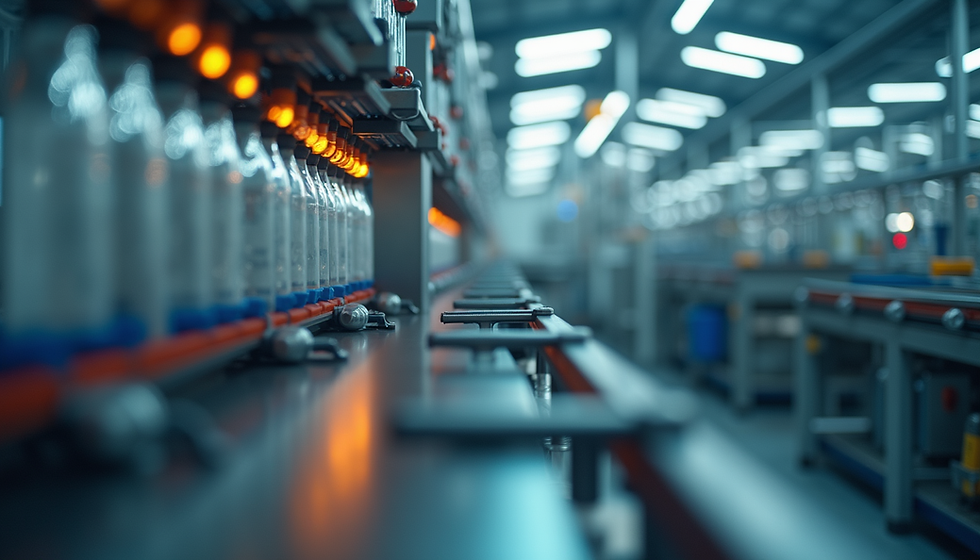
Industrial equipment is the backbone of water production and packaging processes. It ensures consistent output, maintains hygiene standards, and reduces downtime. For example, automated bottling lines speed up production while minimizing human error. Pumps and filtration systems maintain water purity, which is crucial for consumer safety.
In packaging, machines that handle labeling, capping, and sealing improve product presentation and shelf life. These machines also reduce waste by ensuring precise material use. Investing in high-quality equipment means fewer breakdowns and lower maintenance costs, which directly affects profitability.

Key Industrial Equipment Uses That Drive Efficiency
Several types of equipment are essential for efficient water production and packaging:
Water Treatment Systems - These include filters, UV sterilizers, and reverse osmosis units. They ensure water meets safety standards.
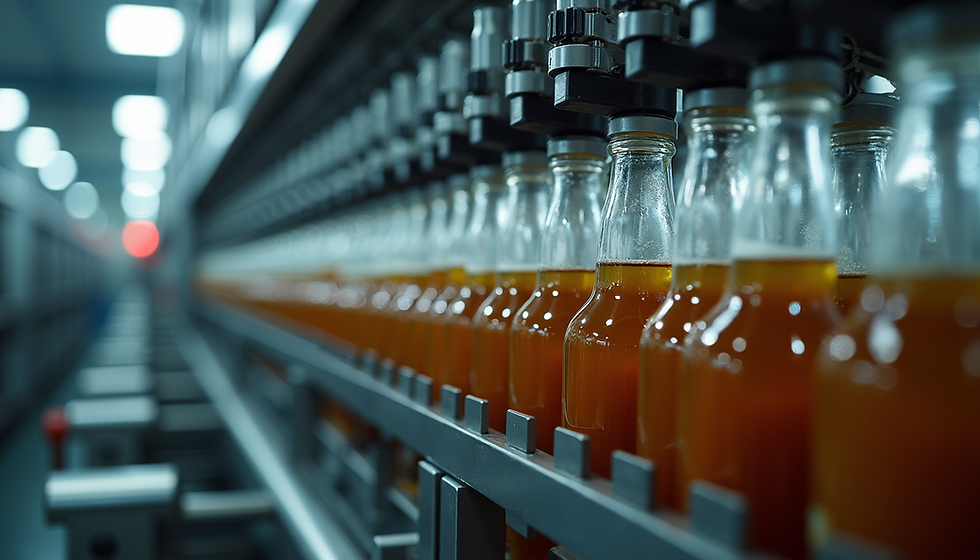
Filling Machines - Automated fillers handle different bottle sizes and shapes, increasing throughput.
Capping and Sealing Machines - These secure bottles to prevent contamination and leakage.
Labeling Machines - Accurate labeling machines improve brand visibility and compliance with regulations.
Conveyors and Packaging Lines - These systems move products efficiently through the production process.
Each piece of equipment must integrate seamlessly with others to maintain a smooth workflow. Proper maintenance schedules and operator training are also critical to maximize equipment lifespan and performance.
Who are the members of the beta machine?
In the context of industrial equipment, the "beta machine" refers to the core group of machinery that forms the foundation of production lines. These machines are tested extensively before full deployment to ensure reliability and efficiency. Members typically include:
Primary water filtration units
Automated filling stations
Capping and sealing devices
Labeling machines
Conveyor systems
These machines undergo rigorous testing to identify potential issues and optimize performance. Businesses benefit from this approach by reducing unexpected downtime and improving product consistency.

How Able Machines Support Operational Excellence
able machines provide reliable, high-performance industrial equipment tailored for water production and packaging. Their machines are designed to meet the specific needs of businesses in Ojo, Lagos, focusing on durability and ease of use.
I have observed that businesses using these machines experience:
Reduced downtime due to robust construction and quality components
Improved product quality through precise control and automation
Lower operational costs by minimizing waste and energy consumption
Simplified maintenance with accessible parts and clear manuals
Choosing the right supplier is crucial. Able Machines offers technical support and training, helping businesses maximize their investment and maintain operational efficiency.
Practical Tips for Selecting Industrial Equipment
When selecting equipment for water production and packaging, consider the following:
Assess your production volume to choose machines that match your capacity needs.
Check compatibility with existing systems to avoid integration issues.
Evaluate energy efficiency to reduce long-term costs.
Prioritize ease of maintenance to minimize downtime.
Request demonstrations or trials to verify performance before purchase.
Consider supplier support for installation, training, and repairs.
These steps help ensure you invest in equipment that delivers value and supports growth.
Maximizing Equipment Lifespan and Performance
Proper use and maintenance extend the life of industrial equipment. I recommend:
Establishing a regular maintenance schedule
Training operators on correct machine handling
Monitoring machine performance and addressing issues promptly
Using genuine spare parts for repairs
Keeping equipment clean to prevent contamination and wear
These practices reduce unexpected failures and maintain consistent production quality.
Final Thoughts on Industrial Equipment Uses and Business Success
Investing in the right industrial equipment is essential for businesses in water production, bottling, and packaging. Reliable machines improve efficiency, product quality, and profitability. Suppliers like able machines provide solutions that meet these demands, especially in regions like Ojo, Lagos.
By focusing on equipment that supports operational excellence, businesses can achieve technical superiority and maintain a competitive edge. Proper selection, maintenance, and supplier partnership are key to long-term success.
Comments