Understanding Reliable Industrial Machines

Industrial machines form the backbone of many production processes. In water production, bottling, and packaging industries, the reliability of these machines directly impacts output quality and operational efficiency. I focus on what makes industrial machines reliable and how businesses can benefit from choosing the right equipment.
What Makes Industrial Machines Reliable?
Reliability in industrial machines means consistent performance with minimal downtime. It involves several factors:
Durability: Machines must withstand continuous use without frequent breakdowns.
Precision: Accurate operation ensures product quality and reduces waste.
Ease of Maintenance: Machines designed for easy servicing reduce downtime.
Energy Efficiency: Lower energy consumption cuts operational costs.
Safety Features: Protect workers and prevent accidents.
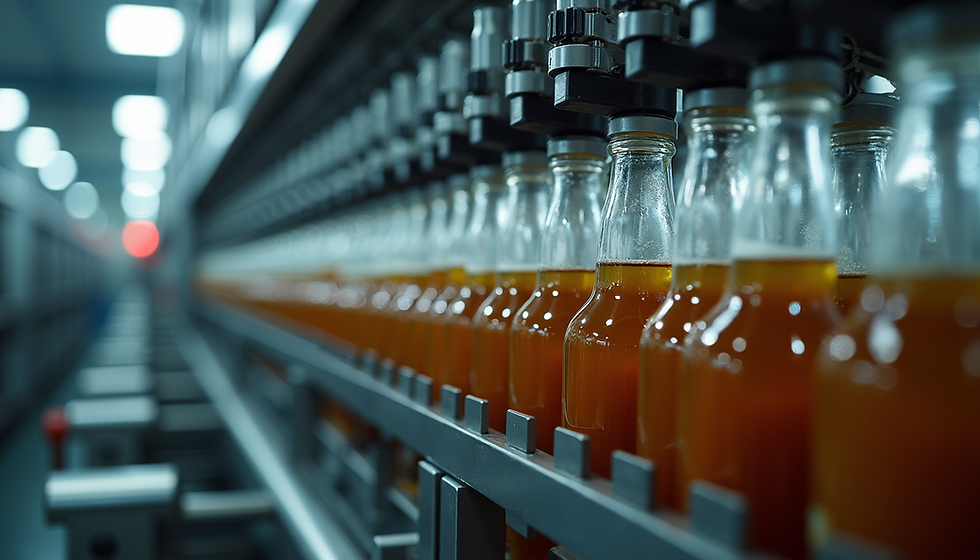
For example, a bottling line that fills bottles with exact volumes every time reduces product loss and maintains customer trust. A packaging machine that runs smoothly without frequent jams keeps the production line moving.
Choosing machines with proven track records and robust construction is essential. I recommend evaluating manufacturers based on their service support and availability of spare parts. This approach ensures machines stay operational longer.
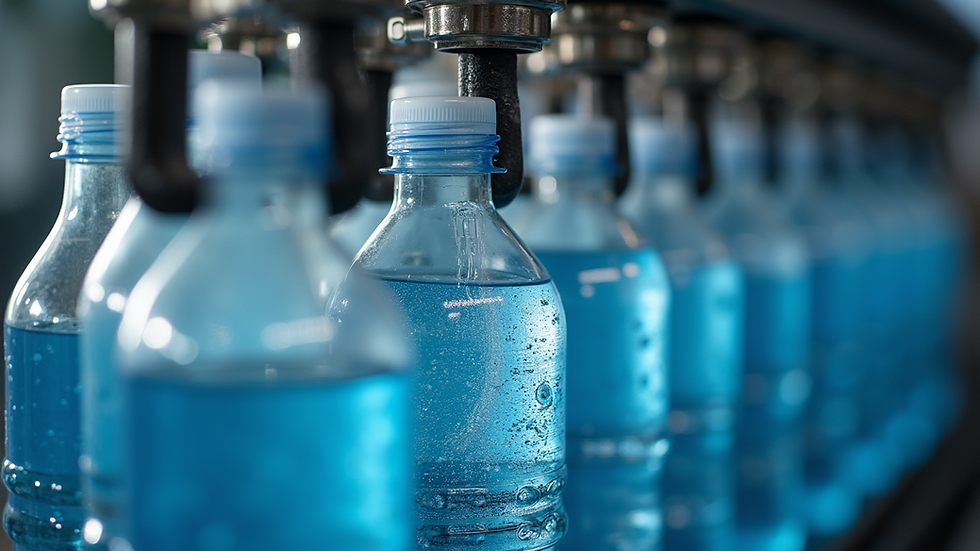
Reliable Industrial Machines in Water Production and Packaging
In water production and packaging, reliability is critical. Machines must handle liquids safely and maintain hygiene standards. Here are key types of reliable industrial machines used in these sectors:
Water Treatment Equipment
These machines purify water to meet safety standards. Reliable units use advanced filtration and UV sterilization. They require regular monitoring but should operate continuously without failure.
Filling Machines
Filling machines must deliver precise volumes quickly. Reliable models use sensors and automated controls to avoid spills and overfilling.
Capping Machines
These secure bottle caps tightly to prevent leaks. Reliable capping machines adjust to different bottle sizes and cap types.
Labeling Machines
Accurate labeling is essential for branding and compliance. Reliable labeling machines apply labels consistently at high speeds.
Packaging Machines
Packaging machines wrap or box products efficiently. Reliability here means fewer jams and consistent sealing quality.
I have seen businesses improve output by investing in machines that combine these features. They reduce waste, improve product quality, and lower maintenance costs.
Who are the members of the beta machine?
This section is not applicable and will be skipped.
How to Assess and Choose Reliable Industrial Machines
Selecting the right machines requires a clear assessment process. I suggest the following steps:
Define Your Needs
Identify production volume, product types, and space constraints.
Research Manufacturers
Look for companies with strong reputations and positive customer feedback.
Request Demonstrations
Seeing machines in action helps evaluate performance and ease of use.
Check Technical Specifications
Compare power consumption, speed, and maintenance requirements.
Evaluate After-Sales Support
Reliable technical support and spare parts availability are crucial.
Consider Total Cost of Ownership
Factor in purchase price, maintenance, energy use, and downtime costs.
For example, a water bottling company in Ojo, Lagos, might prioritize machines that handle high humidity and power fluctuations without failure. Choosing local suppliers with quick service response can also reduce downtime.
I also recommend exploring able machines for reliable industrial equipment. Their focus on high-performance machines tailored to water production and packaging industries makes them a strong candidate.

Maintenance Practices to Ensure Machine Reliability
Even the most reliable machines require proper maintenance. I advise implementing these practices:
Regular Inspections
Check for wear, leaks, and unusual noises.
Scheduled Servicing
Follow manufacturer guidelines for lubrication, part replacement, and calibration.
Operator Training
Well-trained staff reduce misuse and detect issues early.
Use Genuine Spare Parts
Non-genuine parts can cause failures and void warranties.
Keep Records
Document maintenance activities to track machine health and predict failures.
For example, a bottling plant that schedules monthly maintenance and trains operators on machine handling sees fewer breakdowns and longer equipment life.
Maximizing Operational Efficiency with Reliable Machines
Reliable machines contribute to operational efficiency in several ways:
Reduced Downtime
Fewer breakdowns mean continuous production.
Consistent Quality
Machines that perform accurately reduce rework and waste.
Lower Operating Costs
Energy-efficient machines and fewer repairs save money.
Improved Safety
Reliable safety features protect workers and reduce accidents.
To maximize these benefits, integrate machines into a well-planned production workflow. Use automation and monitoring systems to track performance and detect issues early.
By investing in reliable industrial machines, businesses in water production and packaging can achieve technical excellence and operational efficiency. This approach supports growth and competitiveness in demanding markets.
Reliable industrial machines are essential assets. They ensure smooth production, maintain product quality, and reduce costs. By understanding what makes machines reliable and following best practices in selection and maintenance, businesses can secure long-term success.
Comments