Reliable Industrial Machines for Nigerian Businesses

Industrial machines form the backbone of many Nigerian businesses, especially those in water production, bottling, and packaging. Choosing reliable equipment is essential to maintain productivity, reduce downtime, and ensure consistent product quality. I focus on practical insights to help businesses in Ojo, Lagos, and beyond select and maintain industrial machines that meet their operational needs.
Understanding Reliable Industrial Machines
Reliable industrial machines deliver consistent performance over time. They minimize breakdowns and require less frequent repairs. For businesses in water production and packaging, reliability means uninterrupted production lines and fewer losses.
Key features of reliable machines include:
Durability: Machines built with quality materials withstand harsh operating conditions.
Ease of maintenance: Simple designs and accessible parts reduce downtime during repairs.
Energy efficiency: Machines that consume less power lower operational costs.
Precision: Accurate operation ensures product consistency and reduces waste.
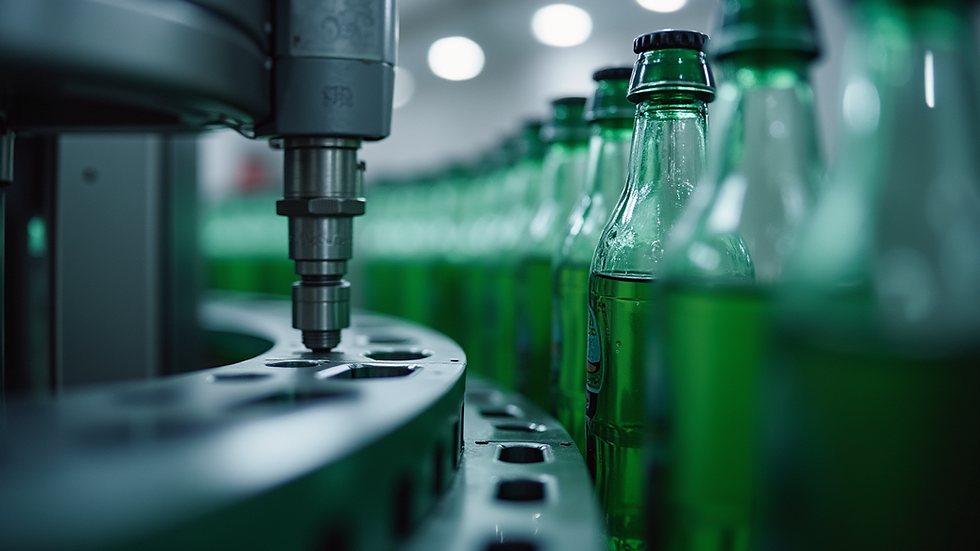
For example, a bottling machine with precise filling controls prevents spillage and maintains hygiene standards. A packaging machine with adjustable settings can handle different container sizes without frequent recalibration.
Choosing Reliable Industrial Machines for Your Business
Selecting the right machines requires understanding your production needs and the environment in which the equipment will operate. Here are practical steps to guide your choice:
Assess production volume: Match machine capacity to your daily output targets.
Consider machine versatility: Machines that handle multiple tasks or product types add value.
Evaluate supplier support: Choose suppliers who offer installation, training, and after-sales service.
Check for local availability of spare parts: This reduces downtime and repair costs.
Review energy consumption: Opt for machines with lower power requirements to save on bills.
In Ojo, Lagos, where power supply can be inconsistent, machines with built-in power stabilizers or low energy consumption are advantageous. Also, machines that are easy to operate reduce the need for highly skilled operators, which can be scarce.
I recommend exploring able machines for options that combine reliability with local support. Their equipment suits water production and packaging businesses aiming for operational efficiency.
Who are the members of the beta machine?
In the context of industrial machinery, the term "beta machine" often refers to a group of early adopters or testers who evaluate new equipment before full-scale deployment. These members typically include:
Technical staff: Engineers and technicians who assess machine performance and identify issues.
Production managers: Oversee integration of the machine into existing workflows.
Quality control personnel: Ensure the machine meets product standards.
Supplier representatives: Provide technical support and gather feedback.
This collaborative approach helps businesses identify potential problems early and customize machines to their specific needs. For Nigerian businesses, involving local technical experts in the beta testing phase ensures machines are suited to regional conditions such as power fluctuations and environmental factors.
Maintenance Practices for Industrial Machines
Proper maintenance extends the life of industrial machines and keeps production steady. I recommend the following maintenance practices:
Regular cleaning: Prevents dust and debris buildup that can cause malfunctions.
Scheduled inspections: Identify wear and tear before it leads to breakdowns.
Lubrication: Keeps moving parts operating smoothly.
Calibration: Ensures machines maintain accuracy in filling, sealing, or packaging.
Training operators: Skilled operators can detect early signs of machine issues.
Implementing a maintenance schedule with clear responsibilities improves accountability. For example, daily visual checks by operators combined with monthly technical inspections create a balanced approach.

Enhancing Operational Efficiency with Industrial Machines
Operational efficiency depends on more than just machine reliability. It involves optimizing workflows, reducing waste, and minimizing downtime. Here are actionable recommendations:
Automate repetitive tasks: Use machines that reduce manual labor and speed up production.
Integrate machines with digital controls: Enables real-time monitoring and quick adjustments.
Standardize processes: Consistent procedures reduce errors and improve output quality.
Invest in staff training: Well-trained teams operate machines more effectively and safely.
Plan for contingencies: Keep critical spare parts in stock to avoid long delays.
By focusing on these areas, businesses in water production and packaging can maximize the return on investment in industrial machines.
Moving Forward with Reliable Industrial Machines
Reliable industrial machines are essential for businesses aiming to improve productivity and product quality. Selecting equipment that fits your production needs, maintaining it properly, and optimizing operations are key steps.
For businesses in Ojo, Lagos, and similar regions, partnering with suppliers who understand local challenges is crucial. I encourage exploring options like able machines to access equipment designed for durability and efficiency.
Investing in the right industrial machines today sets the foundation for sustainable growth and technical excellence tomorrow.
Comments