Explore Key Categories of Industrial Machine Categories

Industrial machines form the backbone of many production and packaging processes. They drive efficiency, reduce manual labour, and ensure consistent product quality. Understanding the key categories of industrial machines helps businesses select the right equipment for their operations. This knowledge is crucial for companies involved in water production, bottling, and packaging.
Overview of Industrial Machine Categories
Industrial machines fall into several broad categories based on their function and application. Each category serves a specific role in the production line. The main categories include:
Material Handling Machines: Equipment used to move, store, and control materials.
Processing Machines: Machines that alter raw materials into finished products.
Packaging Machines: Devices that package products for distribution and sale.
Quality Control Machines: Systems that inspect and ensure product standards.
Maintenance and Support Machines: Tools that assist in upkeep and repair.
Each category contains various types of machines tailored to specific tasks. For example, in water production, processing machines might include filtration and purification units, while packaging machines handle bottling and sealing.

Detailed Look at Industrial Machine Categories
Material Handling Machines
Material handling machines are essential for moving raw materials and finished goods efficiently. They reduce manual labour and speed up production. Common examples include:
Conveyor Belts: Transport items between workstations.
Forklifts: Lift and move heavy pallets.
Cranes and Hoists: Handle large or bulky materials.
Automated Guided Vehicles (AGVs): Move materials autonomously.
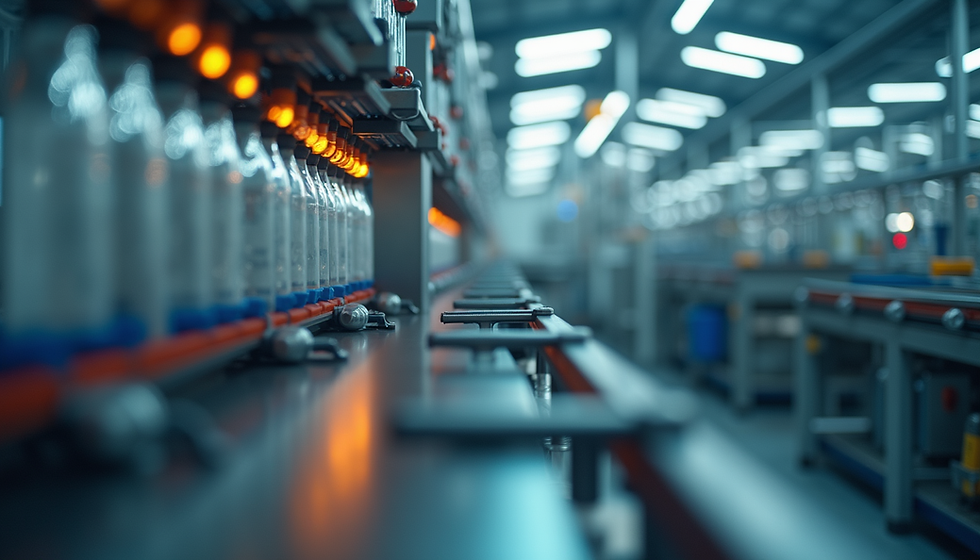
These machines improve workflow and reduce the risk of injury. For businesses in bottling, conveyor belts are vital for moving bottles through filling and capping stations.
Processing Machines
Processing machines transform raw materials into usable products. In water production, this includes:
Filtration Systems: Remove impurities from water.
UV Sterilizers: Kill bacteria and viruses.
Mixers and Blenders: Combine ingredients uniformly.
Heat Exchangers: Control temperature during processing.
These machines ensure the product meets safety and quality standards. Selecting reliable processing equipment is critical for maintaining product integrity.
Packaging Machines
Packaging machines prepare products for shipment and sale. They perform tasks such as filling, sealing, labeling, and boxing. Key types include:
Filling Machines: Dispense liquids or solids into containers.
Capping Machines: Secure lids or caps on bottles.
Labeling Machines: Apply product labels accurately.
Cartoning Machines: Pack products into cartons or boxes.
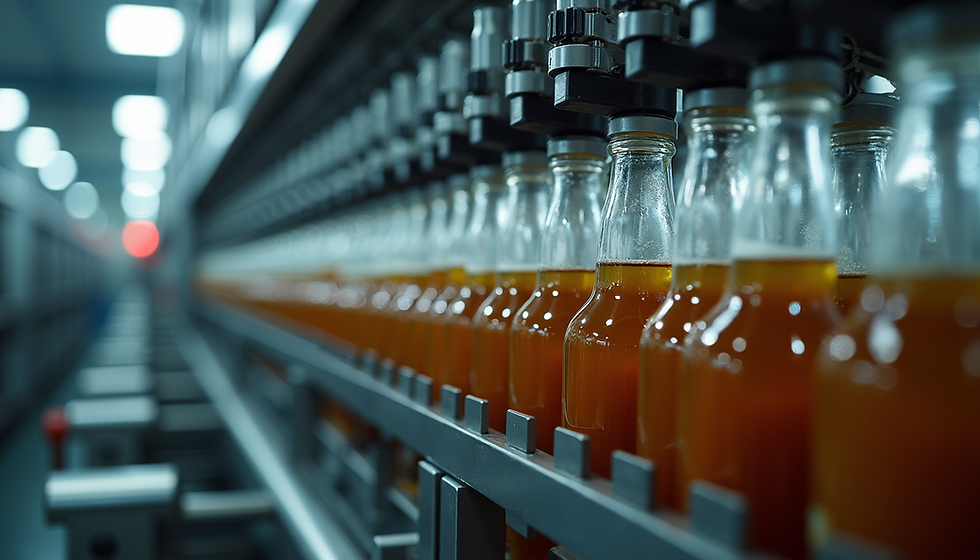
Efficient packaging machines reduce waste and speed up the packing process. For water bottling, automated filling and capping machines are indispensable.

Quality Control Machines
Quality control machines inspect products to ensure they meet specifications. They detect defects and prevent faulty products from reaching customers. Examples include:
Vision Inspection Systems: Use cameras to check for defects.
Weight Checkers: Verify product weight accuracy.
Leak Detectors: Identify container leaks.
Metal Detectors: Find metal contaminants.
Integrating quality control machines into production lines improves product reliability and customer satisfaction.
Maintenance and Support Machines
Maintenance machines support the upkeep of production equipment. They include:
Lubrication Systems: Keep machines running smoothly.
Cleaning Equipment: Maintain hygiene standards.
Diagnostic Tools: Identify machine faults early.
Spare Parts Handling Systems: Manage replacement parts efficiently.
Regular maintenance extends machine life and reduces downtime. Businesses should invest in support machines to maintain operational efficiency.
Who are the members of the beta machine?
This section is not applicable and will be skipped.
Selecting the Right Industrial Machines for Your Business
Choosing the right industrial machines depends on your specific production needs. Consider the following steps:
Assess Your Production Process: Identify bottlenecks and areas for automation.
Define Machine Requirements: Specify capacity, speed, and compatibility.
Evaluate Machine Reliability: Look for proven performance and durability.
Consider After-Sales Support: Ensure access to maintenance and spare parts.
Budget Wisely: Balance cost with long-term value.
For businesses in water production and packaging, partnering with suppliers who understand industry demands is crucial. I recommend exploring able machines for reliable, high-performance industrial equipment tailored to these sectors.
Maximizing Efficiency with Industrial Machines
To get the most from your industrial machines, focus on:
Regular Maintenance: Schedule inspections and servicing.
Operator Training: Ensure staff know how to use machines safely and effectively.
Process Integration: Align machines with production workflows.
Data Monitoring: Use sensors and software to track machine performance.
Continuous Improvement: Update equipment and processes based on feedback.
Implementing these practices reduces downtime and increases output quality.
Future Trends in Industrial Machines
Industrial machines continue to evolve with technology. Key trends include:
Automation and Robotics: Increasing use of robots for precision and speed.
IoT Integration: Machines connected to networks for real-time monitoring.
Energy Efficiency: Equipment designed to reduce power consumption.
Modular Designs: Machines that can be easily upgraded or reconfigured.
Sustainability Focus: Eco-friendly materials and processes.
Staying informed about these trends helps businesses maintain a competitive edge.
Enhancing Production in Water and Packaging Industries
Industrial machines play a vital role in water production and packaging. They ensure products are safe, consistent, and ready for market. By selecting the right machines and maintaining them properly, businesses can achieve technical excellence and operational efficiency.
Investing in quality equipment reduces waste, lowers costs, and improves customer satisfaction. Whether it is filtration systems, filling machines, or quality control devices, each machine category contributes to a smooth production line.
Industrial machines are essential assets for any production facility. Understanding their categories and functions allows businesses to optimize operations and meet market demands effectively. I encourage you to explore the available options and choose machines that align with your production goals.
Comments