Comprehensive Overview of Industrial Machine Types

Industrial machines form the backbone of many production and packaging processes. They increase efficiency, reduce manual labor, and ensure consistent product quality. In water production, bottling, and packaging industries, selecting the right machine type is crucial for operational success. I will provide a clear, practical overview of the main industrial machine types used in these sectors.
Key Industrial Machine Types in Production and Packaging
Understanding the different industrial machine types helps businesses optimize their workflows. Here are the primary categories:
Filling Machines
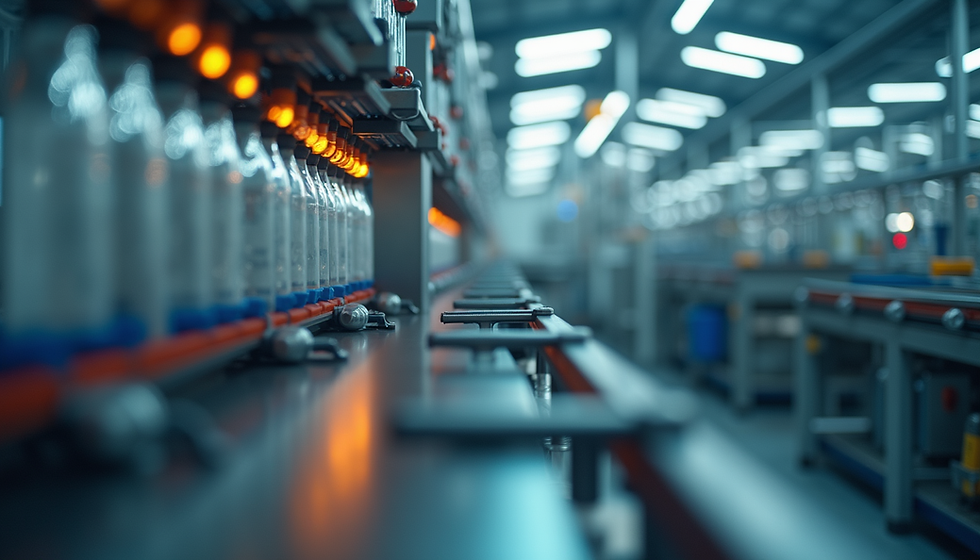
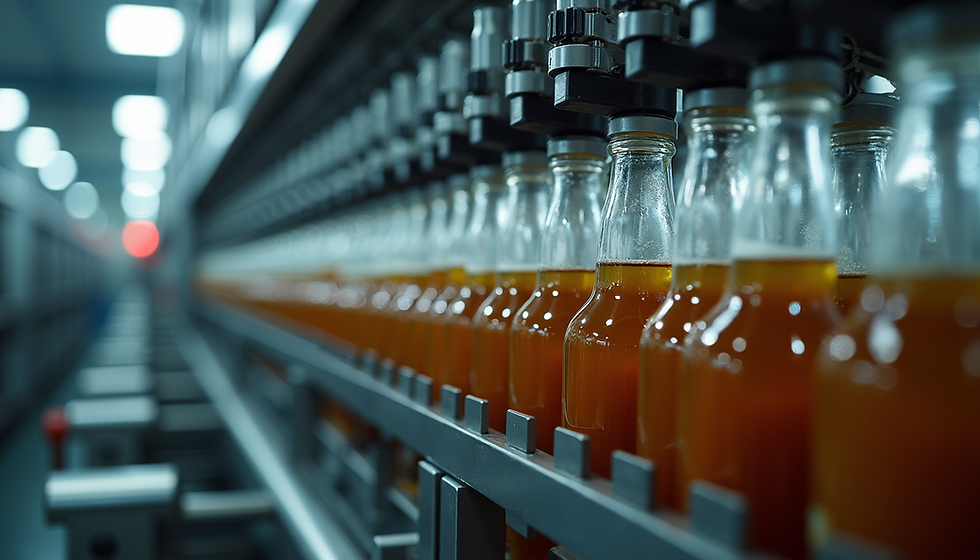
Filling machines automate the process of placing liquids or solids into containers. They vary based on the product type and container size.
Liquid filling machines: Used for water, juices, and other beverages. They handle different viscosities and container shapes.
Powder filling machines: Designed for dry products like powders or granules.
Piston fillers: Ideal for thick liquids such as syrups or oils.
Gravity fillers: Suitable for free-flowing liquids like water.
These machines improve speed and accuracy, reducing waste and contamination risks.
Capping Machines
Capping machines seal containers after filling. They ensure the product remains secure and fresh.
Screw cappers: Apply screw-on caps to bottles.
Press-on cappers: Used for snap-on caps.
Roll-on cappers: Common in metal cap applications.
Proper capping machines prevent leaks and maintain product integrity during transport.

Labeling Machines
Labeling machines apply labels to containers for branding and regulatory compliance.
Wrap-around labelers: Label cylindrical containers.
Front and back labelers: Apply labels on flat surfaces.
Shrink sleeve labelers: Use heat to fit labels tightly around containers.
Accurate labeling machines help maintain product traceability and enhance shelf appeal.
Industrial Machine Types for Packaging Efficiency
Packaging machines prepare products for shipment and sale. They include:
Wrapping Machines
Wrapping machines protect products with plastic film or other materials.
Stretch wrapping machines: Wrap pallets or large items.
Flow wrapping machines: Encase individual products in plastic film.
Shrink wrapping machines: Use heat to shrink film tightly around products.
Selecting the Right Industrial Machines for Water Production and Packaging
Choosing the right machines depends on several factors:
Product type: Liquids, powders, or solids require different machines.
Production volume: High-volume operations need faster, more automated machines.
Container type and size: Machines must match container specifications.
Budget and maintenance: Consider initial cost and ongoing service needs.
I recommend working with suppliers who understand your industry and can provide tailored solutions. For example, able machines offers reliable equipment designed for water production and packaging businesses in Ojo, Lagos.
Maintenance and Operational Best Practices
Maintaining industrial machines ensures longevity and consistent performance. Follow these guidelines:
Regular cleaning: Prevent contamination and buildup.
Scheduled inspections: Identify wear and tear early.
Proper training: Ensure operators understand machine functions.
Use genuine parts: Maintain machine integrity.
Document maintenance: Track repairs and servicing.
Implementing these practices reduces downtime and improves overall efficiency.
Future Trends in Industrial Machinery for Packaging
The industrial machinery landscape evolves with technology. Key trends include:
Automation and robotics: Increasing use of robots for precision and speed.
IoT integration: Machines connected to networks for real-time monitoring.
Energy efficiency: Machines designed to reduce power consumption.
Flexible machinery: Equipment adaptable to multiple product types and sizes.
Staying informed about these trends helps businesses remain competitive and efficient.
Enhancing Operational Efficiency with the Right Equipment
Investing in the right industrial machines directly impacts productivity and product quality. I advise businesses to:
Assess current production challenges.
Identify machines that address specific needs.
Prioritize equipment that offers scalability.
Partner with suppliers who provide technical support.
By doing so, businesses in water production, bottling, and packaging can achieve operational excellence and meet market demands effectively.
Comments