Boost Your Business with Reliable Industrial Machines

In the water production, bottling, and packaging industries, efficiency and reliability are critical. Industrial machines form the backbone of these operations. Investing in reliable industrial machines can transform your business by increasing productivity, reducing downtime, and improving product quality. I will share practical insights on how to select and maintain these machines to maximize your operational success.
Why Choose Reliable Industrial Machines?
Reliable industrial machines ensure consistent performance. They reduce the risk of unexpected breakdowns that can halt production lines. For businesses in Ojo, Lagos, where operational efficiency is key, dependable equipment is a must-have.
Reliable machines offer several benefits:
Consistent output quality: Machines that operate smoothly produce uniform products.
Lower maintenance costs: Durable machines require fewer repairs.
Increased uptime: Less downtime means more production hours.
Energy efficiency: Modern reliable machines often consume less power.
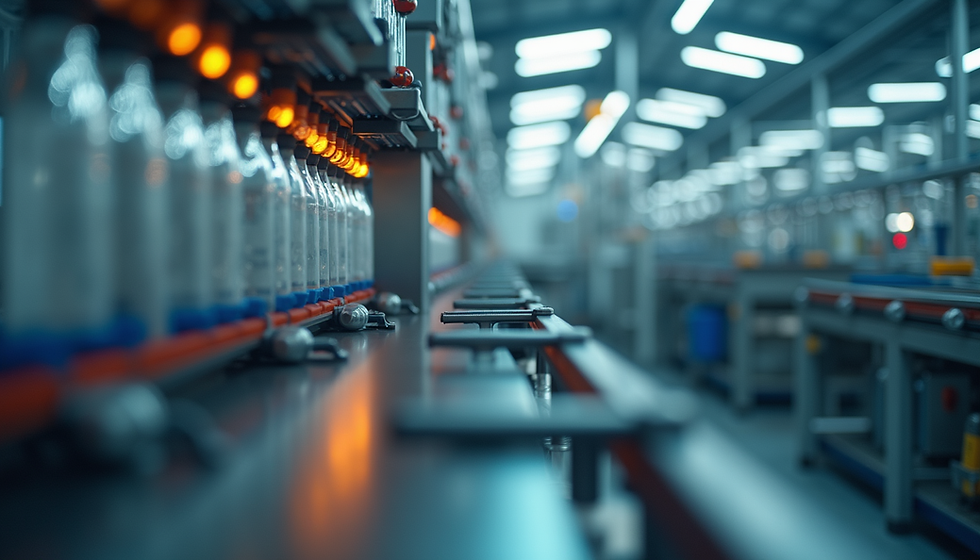
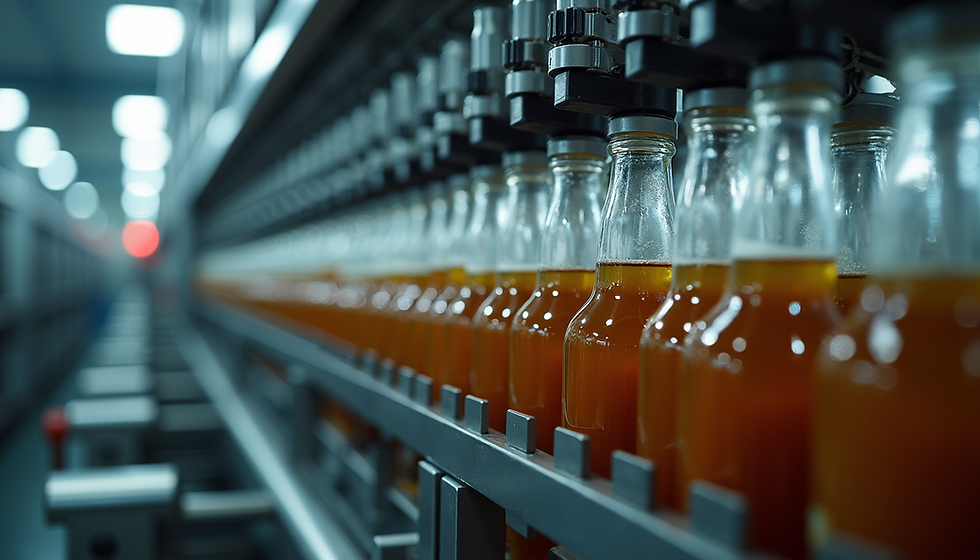
For example, a bottling plant using reliable filling machines can maintain a steady flow without frequent stoppages. This consistency helps meet delivery deadlines and customer expectations.

How to Identify Reliable Industrial Machines
Choosing the right machines requires careful evaluation. Here are key factors to consider:
Build Quality: Look for machines made with robust materials and solid construction.
Performance Specifications: Check the machine’s capacity, speed, and precision.
Manufacturer Reputation: Select equipment from manufacturers known for quality and support.
Ease of Maintenance: Machines with accessible parts and clear manuals reduce downtime.
Compatibility: Ensure the machine fits your existing production line and processes.
I recommend visiting suppliers and inspecting machines firsthand. Request performance data and customer references. This due diligence helps avoid costly mistakes.
In addition, consider the availability of spare parts and technical support locally. This is crucial for quick repairs and minimal disruption.
Integrating Industrial Machines into Your Workflow
Integrating new machines requires planning. Follow these steps to ensure smooth adoption:
Assess Current Workflow: Map out your production process to identify where the new machine fits.
Train Staff: Provide hands-on training to operators and maintenance teams.
Test Run: Conduct trial runs to fine-tune settings and identify issues.
Monitor Performance: Track output and machine health regularly.
Schedule Preventive Maintenance: Set up routine checks to catch problems early.
For example, when adding a new packaging machine, coordinate with your supply chain team to align material availability and delivery schedules.
Using able machines can simplify this process. They offer equipment designed for easy integration and reliable operation, tailored to water production and packaging needs.

Maintenance Practices for Longevity and Efficiency
Proper maintenance extends machine life and maintains efficiency. Follow these best practices:
Regular Cleaning: Remove dust, debris, and residues to prevent wear.
Lubrication: Apply lubricants to moving parts as recommended.
Inspection: Check belts, gears, and electrical components for signs of damage.
Calibration: Adjust settings to maintain accuracy.
Record Keeping: Maintain logs of maintenance activities and repairs.
Implementing a preventive maintenance schedule reduces unexpected failures. For example, replacing worn belts before they break avoids costly downtime.
Train your maintenance team to recognize early warning signs. This proactive approach saves money and keeps production on track.
Maximizing ROI with Industrial Machines
To get the best return on investment, focus on:
Choosing machines that match your production volume. Oversized machines waste resources; undersized ones limit growth.
Optimizing machine settings for speed and quality. Balance throughput with product standards.
Investing in staff training. Skilled operators reduce errors and machine wear.
Leveraging data from machine monitoring systems. Use insights to improve processes.
Partnering with trusted suppliers. Reliable vendors provide support and upgrades.
By following these steps, your business can achieve technical excellence and operational efficiency. This approach supports sustainable growth in competitive markets.
Moving Forward with Confidence
Reliable industrial machines are essential for businesses in water production, bottling, and packaging. They improve productivity, reduce costs, and ensure product quality. By selecting the right equipment, integrating it effectively, and maintaining it properly, you position your business for success.
I encourage you to explore options from suppliers who understand your industry’s demands. Investing in quality machines today pays off in smoother operations and stronger market presence tomorrow.
Comments